Using native plants on green and living roofs and across landscapes is currently in vogue for many reasons.
 |
| Coral Homeysuckle, Lonicera sempervires Great Native Plant for Green Roofs |
Native plant species typically grow more reliably in a given area than most imported landscape plants. Additionally, native plant species should be able to survive, once established, without any additional irrigation, fertilization or pesticide usage, so contributing less of a negative impact on the immediate environment.
On the positive side, native plant species can strongly support those insects, pollinators, birds and mammals passing through or endemic to the area. Research has shown native plant species offer more forage and nutritional value than modern plant hybrids or exotic landscape plants. So there are many good reasons to use native plant species.
What about negative aspects of native plants? Are there any?
Yes, possibly. However the negative aspects are minor in nature, but worth mentioning. First of all while many native plant species are rather common looking, others have stunning and beautiful flowers. This has led to the over-harvesting of many native plants from public lands, creating the need to add some native plants,
such as wild-azalea here in Florida to the endangered and commercially exploited plant list.
Always purchase native plant species from a reputable and licensed nursery to help preserve native plants in their habitat.
Carolina jessamine or yellow jessamine,
Gelsemium sempervirens, is a another showy native plant here in Florida that makes an excellent green roof addition. Carolina jessamine is presently blooming, making it one of the first native species to flower in the spring. It is also the South Carolina state flower.
 |
| Gelsemium sempervirens, Carolina Jessamine - Green Roof Native |
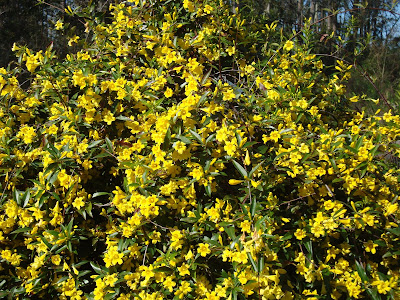 |
| Gelsemium sempervirens, Carolina Jessamine - Green Roof Native |
However, when researching Carolina jessamine, there are many warnings about the plant's toxicity. The plant does contain powerful alkaloids similar to strychnine.
The Cornell University plant website for instance says all parts of the plant are poisonous, depressing central nervous system function and potentially causing death.
Moreover, other institutions and research site, such as Wikipedia, state that the nectar is not only toxic to humans but to bees also, causing brood death.
The reference to brood death and toxicity to humans greatly concerned me for two reasons;
- We plant to adopt bees this year and set up a colony on our green roof, and
- I don't want anyone getting sick from a plant on our greenroof.
And what if the honey were toxic? Several websites warned of honey from made from Carolina jessamine nectar. At first, I was determined to dig up the beautiful vine and destroy it.
Then I realized the Wikipedia reference for toxicity to bees was lacking a citation and soon came across another more technical publication in Oecologia that actually
pointed out the alkaloids in Carolina jessamine have been used by bees to kill the exotic gut protozoan Crithidia bombi that had been harming bee populations.
So apparently there is research pointing to the fact that Carolina jessamine is nature's medicinal kit for bees, providing a free source of anti-microbial benefits to the bees.
Lets take a step back now. Bumblebees and others are native to this area.
The honey bees mostly commonly referred to today are considered native to Africa, having then spread to Europe before being imported to the Americas.
Carolina jessamine, a native species, provides medicine to sick bees, a species that has been imported to food and other uses. Other literature continues to support the relative safety of having Carolina jessamine around bees by recommending additional variety of other flowering plants complimentary with the jessamine.
Moderation is always key to success. Possibly, if the only nectar bees fed on was Carolina jessamine, the honey might be toxic. There actually have been reported cases of toxic honey made from azaleas, rhododendrons and oleander. However, integrating a common native into a flowering landscape may provide the bee with natural defenses to its own physical issues and provide beauty and that wonderful spring smell of blooming jessamine.
Beauty and the Beast? I think not. For if Carolina jessamine were a deadly killer to both humans and bees then, with its numerous populations across the southeastern US there would be many dead bees and sick humans lying around during spring blooming season.
Respect? Yes. Common sense dictates against the use of monocultures. Provide more than a monoculture of Carolina jessamine. Provide a host of flowering native species and food plants on green roofs and in landscapes.
Native plants are not only to be enjoyed they are also to be respected. Integrating native species into your green roofs will provide benefit to wildlife and support biodiversity, even to the non-native honeybee.
Nature's own medicine chest.
As always, email your comments and thoughts.
Happy Green Roofing!
Kevin


