 |
| Florida Organic Hemp Pest Management, Earwigs belong to the insect order Dermaptera |
The answer may be both! Earwigs can be a friend but also a foe to the organic hemp farmer and crop.
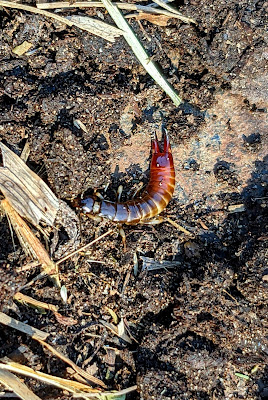 |
| Florida Organic Hemp Pest Management, Earwigs have 'pinchers' also called 'cerci' attached to the rear of their abdomen |
However earwigs will also eat young, tender plant shoots, buds and leaves if there are not enough aphids, mites, insect eggs or small prey to satisfy their voracious appetites.
There are a number of earwig species and importantly, many are primarily carnivores. The earwig preference for pest insects can be beneficial to the hemp farmer and as long as there are adequate numbers of small insects for forage.
The key to integrating Dermaptera successfully into an organic hemp integrated pest management program lies in developing an understanding of earwig life cycle requirements. The hemp farmer should know what environmental conditions favor earwig population growth.
Once the hemp farmer recognizes favorable earwig growth conditions, the grower can adjust many of those factors to maintain earwig population stability, effectively avoiding population explosions while ensuring an adequate number of earwigs exist to help manage aphid issues.
Interestingly, the insect's common name 'earwig' is rumored to have been derived from a fear this bug could crawl into a sleeping person's ear at night resulting in all sorts of painful pinching. This rumor is unfounded though and earwigs generally do not bite or pinch humans.
So are earwigs desirable as an integrated pest control partner for hemp cultivation? I'd have to say a definitive yes.
As with all partnerships, successful relationships require active management of interactions and the same holds true with earwigs. An overpopulation of earwigs with not enough aphids for food will result in hemp plant bud and new growth damage as the earwigs seek out alternative food sources.
Earwig population numbers can be managed with straight forward mechanical and environmental pest control measures such as moisture control, good housekeeping and sanitary practices and regular surveillance.
The key is to have just enough earwig pest control partners.
Smart hemp cultivation site pest management can employ earwigs to hunt down and eat pesky aphids and mites.
Employing native insects and native plants as partners in organic farming can be the safest, most effective and sustainable growing approach for Florida hemp and most all organically farmed crops.


