Showing posts with label sedums on green roofs in florida. Show all posts

Sunday, May 15, 2011

A Tale of Two Green Roof Plants - Sedum and Turkey Tangle Frogfruit

My green roof niche is hurricane systems and those plants for hurricanes and hot, dry climates.

Here is Jacksonville we were jumping for joy yesterday as we received approximately 35 - 40mm rainfall.

The rain yesterday was the first in two months. The area here has actually been officially designated as a 'Severe Drought' area by the National Weather Service.

Two green roof plants bear review under these conditions; Sedum acre and Phyla nodiflora.
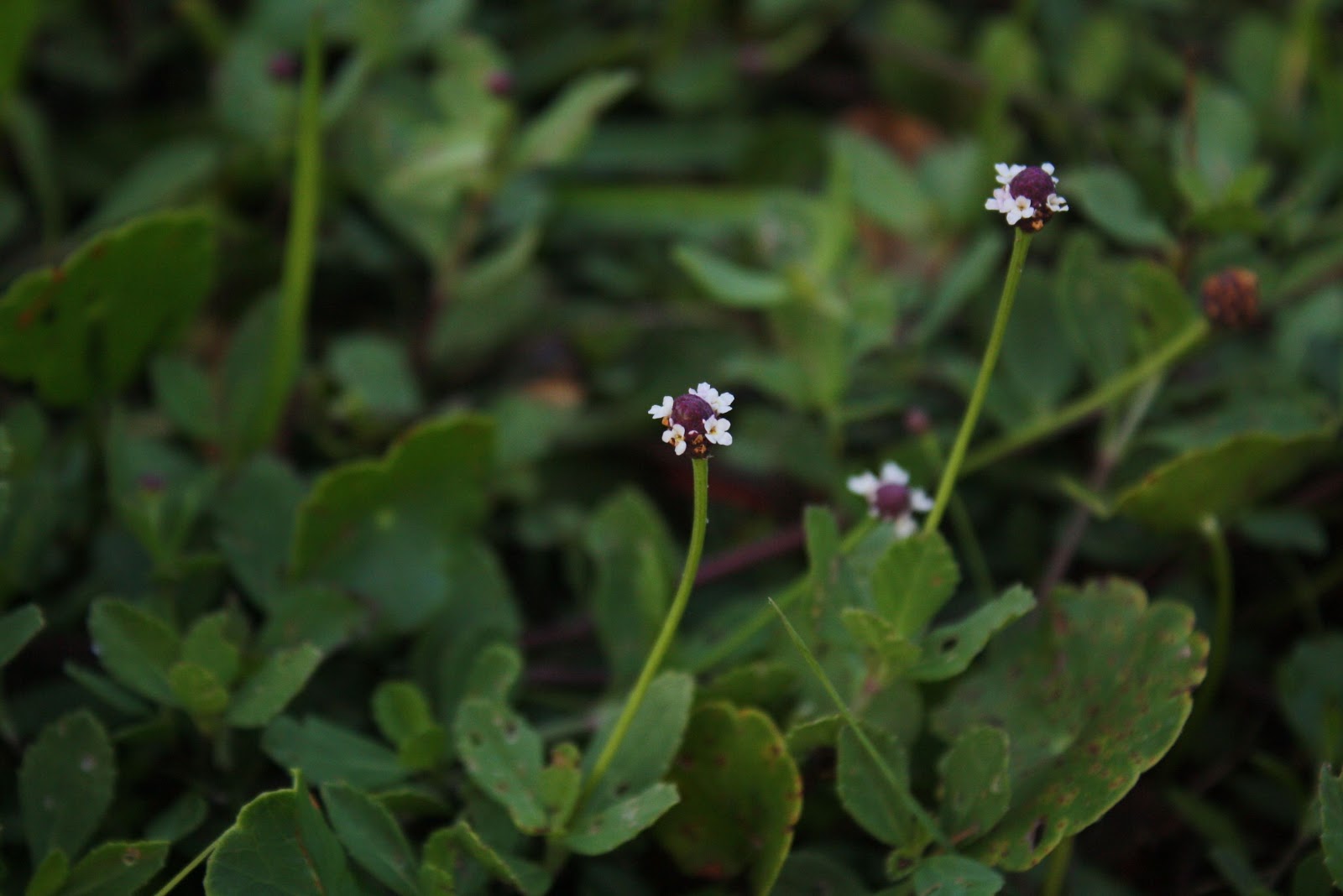
Phyla nodiflora, Turkey Tangle Frog Fruit Green Roof Plant
Sedum Acre, Green Roof Plant

 The above photographs were taken two days ago.  Both plants have been established on a green roof for at least six month.  They are not recent transplants.  Both flourished earlier in the cooler temperatures.

An important note here before we proceed, even though Jacksonville may not receive much rainfall there are many afternoons this time of the year where water vapor is significant (high relative humidity) and temperatures on the green roofs are reaching for 66C (150F).  Hot dry afternoons with high relative humidity toy with us gardeners as we watch the dark, afternoon clouds build only to fizzle out without a drop of rain.

The high air humidity both hurts and helps. Helping because any water in the air is good.  Hurting because the hot wet air encourages Southern Blight Fungus and other fungi to grow and attack some of the green roof plants.

I love the name Turkey Tangle Frog Fruit (Phyla nodiflora) and Frog Fruit is a low growing groundcover plant native to the Americas, from Brazil to the Unites States.  Frog fruit is acclimated to the high humidity and hot temperatures and fungus and drought, growing well under the harsh conditions.

Sedum on the other hand is beautiful during the cooler days when the high humidity and temperatures are not around to incubate Southern Blight and the other fungal culprits.  But when those afternoon temperatures reach up into 'Hot' levels and the air water vapor content is high, Sedum may wilt as Southern Blight proliferates.

One could fill the air spraying fungicides across the roof, the chemicals drifting across the neighborhood to help keep the Sedum alive.

Sedum is not a native though.

I'm sure one day someone will genetically modify Sedum to be more like Phyla.

Phyla grows and keeps on growing despite the heat and humidity and lack of rain.

Sticking with native plants just makes sense.  Especially on green roofs.  I need to heed my own advice.

Sunday, August 29, 2010

Sedums on a Green Roof or Living Walls? Should I use Sedums in Florida

Today I am going to take a leap of faith here, stretch out my neck and say "Yes - Plant Sedums and Succulents on your Florida Green Roof!"  However there are several important qualifiers to this statement.

First of all - let me show you what will most likely happen once you plant a succulent or sedum on most of the vegetated roofs I've seen here in Florida.

The following photo is a green roof succulent just recently infected with a fungus commonly know as Southern Blight, or Sclerotium rolfsii.  June 2010, Florida.


Now, one month later and the following photo is a green roof succulent seriously infected and dying from Sclerotium rolfsii.  June 2010, Florida.


 Note how the small branch has fallen over.


The good news is Southern Blight, or Sclerotium rolfsii is not usually spread by spores, rather through soil.  You must be selective about the source of all your green roof plants to prevent your green or vegetated roof from becoming infected with Sclerotium rolfsii.

And you must be selective about the soil mixtures you use!  Regular nursery soil is at risk to have Southern Blight, or Sclerotium rolfsii spores in the soil, as the fungus is very common.  I find the spelling - ScleROTium appropriate.

Though not commonly transmitted by falling leaves from surrounding trees, if there is any Sclerotium rolfsii - even trace numbers of spores in the green roof soil, then the fallen leaves will provide a food source for the fungus and soon you will have a full blown infestation.

Succulents and sedums, along with many landscape plants and vegetables are susceptible to Sclerotium rolfsii infections.  The presence of the fungus is usually a death sentence for sedums.

When you witness massive sedum dieback across the southeastern US and especially in Florida, the reason for the dieback is usually an active Sclerotium rolfsii problem.

Because most green roofs use typical nursery soil, or soil imported on nursery plants, the fungus has become a common green roof issue.   Many people do not recognize the Sclerotium rolfsii and just assume sedums and some succulents cannot survive the torrid Florida humidity.

So what should you do about Sclerotium rolfsii?  How do you keep it off your vegetated roof?

Numero uno rule - don't use common nursery plants - most all have the fungus spores laying dormant or active in the potted soil.

Secondly, there is another fungus that feeds on the mycelium of Sclerotium rolfsii.  Some species of the genus Trichoderma eat Sclerotium rolfsii's mycelium - immobilizing the southern blight.

Finally use those companion plants who produce trace sulfur compounds - there are many.  Sulfur lowers the pH and helps keep pest insects and spore transmitters, at bay.

We are about to release an all natural Southern Blight fighting, Trichoderma attracting green roof soil amendment.  Check back frequently for details or email me.

So plant and enjoy your green roof Sedums - but follow the guidelines!  Hopefully you can keep the southern blight at bay.  

Happy Green Roofing!

Kevin