Monday, July 16, 2012

Permaculture Raised Beds and Some Of Our Favorite Veggies


Summer is half over and that means we are thinking about raised bed fall and winter plantings.  Ordering seeds for the next season's crop is so much fun!  We love going through the catalogues, admiring the photos, thinking about the upcoming seed starting and transplanting efforts.

Here are some of our tried and true, favorite cooler weather plants we like to have started by mid September.  The links will take you to either a description or catalogue page. 


Don't forget to download our Urban Farming book from Amazon with all the secrets about gardening, coop building, hens and more by clicking here!

Florida Permaculture Raised Bed Chives & Lettuces
Also known as rocket, arugula with her bitter, earthy flavors is one of my favorite winter plants.  Excellent on sandwiches, in salads or by herself, arugula is easy to grow, hardy and a must for every Urban Farm garden.
Florida Permaculture Raised Bed Arugula
Famous heirloom varieties, both Mary and Martha Washington varieties were developed around at the beginning of the twentieth century for greater disease resistance. The 1930 Ferry catalog states that Mary Washington asparagus is  "A vigorous growing and productive asparagus bred to resist the disease known as asparagus rust". Mary is a Martha cultivar with oval tipped stalks and comes highly recommended by most asparagus growers.
Another well-known heirloom variety, use dating to just after the Civil War in the Americas but earlier in Europe, Calabrese broccoli is a dark green plant, twenty to thirty inches in height, producing fist-sized central heads, and many side shoots until frost. Noted for her texture and flavor.
Use a variety of Broccolis, cultivars including Belstar, Premium Crop, Packman, Gypsy, Major, Nutribud and Waltham all produce large amounts of food.
An 1820’s heirloom variety, the three inch, round, golden beet bulbs are known for their desirable sweetness. Golden beet’s unusual color adds to her versatility.  Very sweet beet.
The early 1900’s heirloom Early Wonder Beet produces well before the other full-sized beets, has medium to tall size tops that can be harvested and served as delicious greens. Early Wonder possesses a deep red color and rich, hearty flavor.
Deep crimson, dark red, vigorous growing beet producing ample greens. Red cloud beet is know for her resistance to bolting.  She can be harvested throughout most of the growing season.
St. Valery Carrot is an 1885 heirloom carrot and, according to James Vicks’ 1924 catalog, is the "best and most handsome main crop carrot. Enormously productive, very desirable for private gardens as well as for markets." St. Valery has ten inch roots and a strong sugar content (sweet).
The New Kuroda carrot is a strong preforming hybrid, exhibiting a deep reddish orange color. Kuroda may be used as the main carrot crop as it produces well on most small homesteads and growing operations.
Adelaide is a Dutch hybrid know by its more popular common name, Baby Carrot.  Easy to grow and a solid producer, Adelaide keeps its texture and fresh, sweet flavor longer than most carrots.  Very sweet carrot and great for salads.
Long Island Brussel Sprouts is an 1890 heirloom dwarf brussel sprout variety growing on average to approximately two to three feet depending upon climate. The Long Island Brussel variety can set up to one hundred sprouts per plant and was considered the primary commercial variety for years.
Early Jersey Wakefield has been considered one of the best varieties of early producing cabbages for several hundred years of homestead agriculture.  Early Jersey is a 1840 heirloom variety growing to approximately three pound.  She exhibits a pale green leaf color and can be planted close together. According to DM Ferry in 1930, "this most excellent variety is the earliest and surest heading" and one that resists yellowing.
Another cabbage variety highly resilient to yellowing and splitting, Quick Start hybrid is a strong grower, one that can be planted close together in raised beds and relied upon for steady production of three pound cabbage heads.
Danish Ballhead is an 1887 heirloom late fall, blue-green producer. Danish Ballhead was originally introduced by Burpee Seed and has been a popular variety for years.  This cabbage keeps well in storage.
Mills says that Mammoth Red Rock 1880 heirloom cabbage is the “largest of the red cabbages and the most sure heading, also the best for pickling". Mammoth Red had reddish purple leaves and produces a five pound plus cabbage head.  Strong producer and stores well.
This 1890 heirloom cabbage heirloom variety was introduced in the mid-1800's by P. Henderson, president of Henderson Seed Company.  Early snowball cabbage is a reliable early producer of firm texture.  Very popular variety among urban farmers.
Bright Lights Swiss Chard is a stunning plant, certainly desirable for garden appearance but most appreciably important because of her delicious taste and reliable food production.  Leaves are bright deep green, moderately savoyed with veins of stunning bright warm and hot colors, most commonly red, orange, or yellow.  Developed by Johnny's Selected Seeds, this variety is perfect for the smaller garden or those gardens looking to capitalize on visual effect.  Bright Lights is highly recommended by both judy and myself.
Fordhook, while not as visually stunning as Bright Lights, is a reliable performer producing strong and plump white stalks with savory, bright green leaves.
As with Bright Lights Chard, Pink Lipstick offers amazing bright pink-red color. Use Pink Lipstick Chard in salad mixes for color and taste.
This 1890 heirloom cauliflower heirloom variety was introduced in the mid-1800's by P. Henderson, president of Henderson Seed Company.  Early snowball cabbage is a reliable early producer of firm texture.  Another variety popular variety among urban farmers.
Another great cooler weather plant, Starbor Kale is perfect for raised beds because of her beautiful blueish-green hue, firm leaves, great texture and compact growing characteristics. Greens can be eaten cooked or raw in salads.
An 1885 heirloom variety previously referred to as Tuscan Black Palm.  Dinosaur Kale offers large, rounded, succulent greens. Plants are hardy, exhibit vigorous growth habit and are popular among urban farmers as a crop that will feed the family.  We have grown Dinosaur Kale reliably for years.  Greens are good either as a salad component or cooked.
One of my favorite urban farm Kales, the Ethiopian variety will produce like none other.  Very tender and tasty and very drought tolerant.  Grows well in raised beds and seems to be root-knot nematode resistant.
Kohlrabi is also known as a ‘cabbage-turnip’ and the Grand Duke Variety produces a larger, non-woody edible part.  Very interesting plant for the garden and reliable producer.

Excellent pre-Civil War heirloom Kohlrabi variety.  According to DM Ferry Early Purple Vienna Kohlrabi can be considered "early with small top, the leaf stems being tinged with purple. Bulbs of medium size, purple; flesh white. Desirable for forcing and early outdoor planting."  Another excellent vegetable for the urban farm homestead, preforming will in raised beds.
Leeks are an important part of all urban farm gardens.  Lincoln leek is a long , succulent variety that can last for much of the year.  Used in salads, stir fry and other dishes.  Here in the south, established leeks offer good winter color and texture to the urban farm garden.
One of my favorites, this variety is evergreen, drought tolerant and produces well year around.  Offers brilliant white flower spikes.  This is probably one of the most hardiest of the urban farm plants, almost always reliable to out-preform any other crop.
Beautiful red-green, crisp standard lettuce, this variety is a cornerstone of any winter garden in the urban core.  Asian red thrives when picked, producing more and more throughout the season. 
Another popular lettuce variety, especially in Europe, year-round lettuce is as what her name states, a reliable producer except in the hottest of climates where she does best grown in the shade.
Florida Permaculture Raised Bed Lettuces
Ours favorite mix includes; Green Ice, Midnight Ruffles, Black Seeded Simpson, Simpson Elite, Matina Sweet, Buttercrunch, Red Velvet, and May Queen varieties.  Perfect for adding color and a variety of textures to salads.  The urban core farm animals love lettuces too.
A 1949 heirloom, mild radish, Cherry Belle is a standard for urban core farming.  She will produce up to one inch in diameter radishes, perfect for salads and snacks.  Another reliable producer, Cherry Belle is a standard for urban core farms and gardens.
A mid-1800’s heirloom, this white radish has her history in reliable production and ease of growth traits.  Wonderful, narrow, finger-like radishes they are perfect for salads.  Serve crisp and cold.
A 1920’s heirloom and described by James Vick as a spinach that, "grows about ten inches high. Large deep green leaves, thick and tender, with rounded tips."  Giant noble spinach needs cooler weather but will faithfully give the urban farmer plenty of tasty greens for both salad and cooked dishes.  
Tyee spinanch is a slow to bolt spinach growing well in raised beds and intense urban core farm settings.  Tyee spinach leaves are smaller than Giant Noble but heavy producers.  Good companion spinach plant to grow alongside with Giant Noble.
Florida Permaculture Raised Bed Lettuces
Herbs/Spices
Borago officinalis grows to approxiately two to three feet in height and loves the cooler weather.  I’ve grown this plant successfully on urban core green roofs and in urban farm homestead raised beds.  The bright blue and purple flowers are visually an eye-opener and are often used as garnish for vegetable and fruit salads.  Good urban farm plant selection.
Standard pickling plant and herb, dill is an extremely drought tolerant urban farm plant with many culinary uses.  Our rabbits love the fresh picked leaves and the tall but tiny yellow flowers serve as an excellent attractant for pollinators.  Grows well in dry, neglected areas across the urban homestead.
An All America Winner in 1992 and introduced by W. Atlee Burpee Company, Fernleaf Dill exhibits a more compact growth habit than most of the other, sprawlingly large dill varieties.  Fernleaf dill is perfect for container growing or planting in heavily used raised beds.  As with the standard dill varieties, Fernleaf Dill provides good drought tolerant production as well as tasty culinary uses.
Fennel is popular for her licorice or anise-flavored seeds and bulbous base, both used in cooking.  Fennel is also a choice pollinator plant and brings a spray of light airy green to the urban core farmstead.  
An awesome landscape perennial, Bronze Fennel brings visual and culinary benefits to any urban farm garden.  Highly sought after by several Lepidoptera species, this hardy fennel can be used in cooking or as a tea.  Bronze fennel will grow about three to four feet high depending on climate and soil conditions and adds beauty and flavor to the herb patch.
A relative of oregano, marjoram is slightly sweeter and enjoys the cold weather.  She is very drought tolerant and her smaller leaves can be used to flavor meat dishes.  Marjoram is also used ethnobotanically in the Caribbean as a tea plant for both stomach and respiratory issues as she possesses an strong aromatic quality.
Standard flat-leafed parsley is a mainstay of urban core farms.  Used in Italian and Mediterrian cooking and for a variety of other uses (including keeping garlic fumes repressed in healthy diet breath), flat-leafed parsley is also sought after by many butterflies as larval food.
Curly parsley is a very hardy cultivar of the parsleys, reliable and useful as garnish, in soups, salads or to flavor meat dishes.  As with flat-leaf parsley, curly parsley is commonly used in Mediterranean dishes such as tabouli, hummus and other dishes.

Sunday, July 15, 2012

City Farming in Jacksonville, a Permaculture Narrative

Read about Kevin and Judy's experiences with all things Urban farming.  Ducks, geese, turkeys, rabbits, hens and thousands of plants all on a city lot!

Available through Kindle here!

The Real Scoop about Urban Farming!


Permaculture & DIY City Farming - Patio, Backyard, Roof & Walls

Over the past thirty years we've accumulated much hands-on experience with growing food, flowers, fiber and medicinal plants in the Urban Core.

City Farmed Permaculture Eggplant
Many approaches we tried turned out to be les than optimal.  However we considered even the failures to be successes for we knowing what doesn't work is just as important as knowing what does work.

City Farmed Permaculture Bell Peppers
City farming can occur anywhere where sunlight is available.

Of course, rain or condensate helps.  But we've successfully grown plants and seen plants grow in the most harshest of places, without soil and without additional irrigation.
City Farmed Permaculture Oranges
Growing lightweight food gardens on roofs has taught that even without massive roofing supports and even in cyclone prone areas, beans, tomatoes, herbs and greens can be grown.

Living walls can shade windows, provide habitat for wildlife, produce food, gourds and sponges.
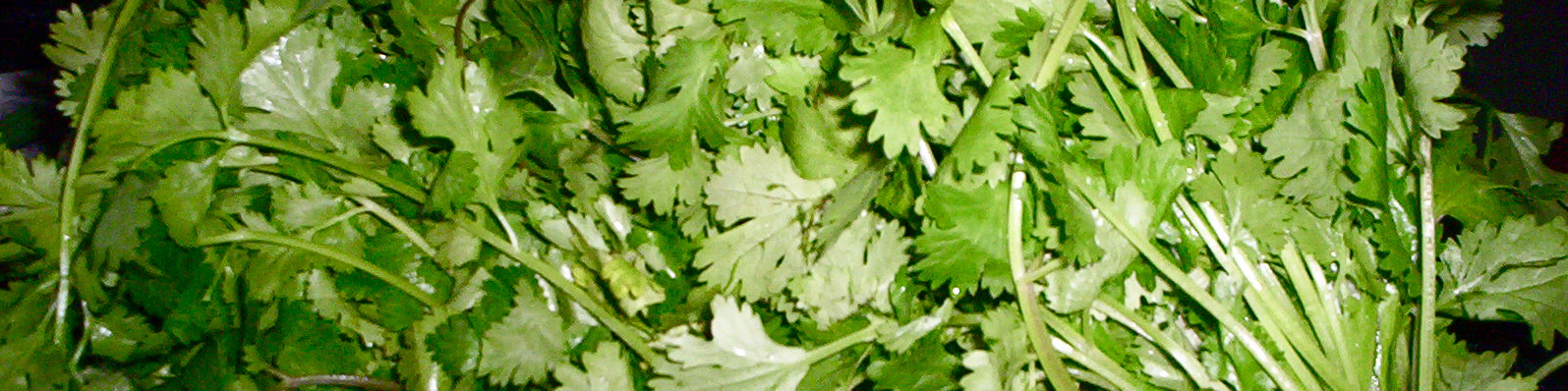
City Farmed Permaculture Cilabtro
Patio space may be utilized to create highly efficient food gardens in self-watering containers.

Hens, geese, ducks, turkeys and rabbits all have a place on the Urban Farm.
City Farmed Permaculture Chives
Learn about rooftop gardening, how to build a low cost, highly effective chicken coop or seed starting greenhouse.

Understand biodiversity principles of plant selection.

Urban Farming - our best dreams and worse nightmares.

Know what you are geting into before the adventure of your life!

You can read the details in our approximately two hundred page City Farming book available on Amazon Kindle!

City Farming, Lovely Urban Insanity is available exclusively through Kindle by clicking the link here!

Tuesday, July 10, 2012

Small Residential Green Roofs for Fun, Food, Stormwater , Permaculture and More!

It is always good to talk to other green roof and Urban Core green/permaculture enthusiasts.  Yesterday I was fortunate to speak to Alan Myers-Davis, a Senior Project Manager at Living Roofs Inc. of North Carolina.

Photo by Living Roofs Inc. of North Carolina


Alan brought up the topic of small, lightweight green roofs for residential applications, sheds and garages.

There is a huge opportunity for America to green her Urban Core, small rooftop section by garage by shed by small rooftop.

Alan reminded me that our focus doesn't always have to be on mega-sized projects to make an impact.  Take Rob Overly's small one meter square green roof section that intercepts and cleans almost three hundred square meters of rooftop runoff (See a photo of Rob's green roof here).

Kudo's to Alan and Living Roofs Inc. of North Carolina!  See his note below the photographs.

Photo by Living Roofs Inc. of North Carolina

Photo by Living Roofs Inc. of North Carolina

by Living Roofs Inc. of North Carolina

by Living Roofs Inc. of North Carolina


Homeowners are extremely interested in green roofing and are always interested to know if they can transform their own roof into a living, breathing system.  

Unfortunately, buildings in the southeastern United States are not built for the same structural load capacity as northern buildings simply because we do not receive as much snow.  

Sometimes, the cost to retrofit an existing structure for increased load capacity can outweigh green roof advantages and homeowners are sent back to the drawing boards.  

Living Roofs, Inc., a green roof design and installation company based in Asheville, NC, has recently launched SHELTER to give homeowners another creative option for greening backyard space.  

These architectural drawings contain all of the necessary information required to build a DIY green roof garden shed…or art studio…or children’s playhouse…or even a man cave!  

The plan sets contain construction and green roof details, a complete materials list, and a very useful green roof resource list.  These are professionally rendered documents, so load capacities have been taken into consideration, and they have been designed small enough to bypass building codes.  Whether you wish to build the exact design or use the plans to modify and tweak your own design, they are a perfect introduction to back-yard green roofing and offer homeowners an outlet for some green creativity.  

There are two designs:  a more traditional gabled roof and a single-sloped, more contemporary roof.  The single-sloped roof comes in a 4” inch version and a 6” version, which allows for a more diverse plant selection of flowering perennials and grasses.  

Contact Alan Myers-Davis, Senior Project Manager at Living Roofs Inc., with any questions, and go to their Small Green Roof page on their website to view similar projects.  Cheers and keep on greening!

Friday, May 25, 2012

Florida Urban Farm and Permaculture Plants - Tomatoes on the Roof, Walls and Patio!

Tomatoes are growing on the roof!

Rooftops, living walls and permaculture gardens can support a variety of vegetable plants but tomatoes are one of the most rewarding food plants to grow in the Urban Core.

Permaculture wild cherry tomatoes for the roof, patio or garden

Tomatoes in the kitchen can be easily turned into many delicious and nutritious dishes.  Salsa, salads, soups, sides for sandwiches are just a few of many tomato based culinary creations.

Unfortunately, organic tomatoes are expensive to buy in the market! 

Importantly, growing your own tomatoes can greatly reduce your exposure to pesticides.  Tomatoes are typically heavily sprayed in greenhouses and production fields.

Yet growing your own supply on the roof, across your living wall system, in your permaculture garden is easy!

I love growing  my 'monster-sized' tomato plants in containers.

All you really need is a small container for patio or windowsill, sunlight and water.  Add coir and a few seeds and you'll soon be on the way to a summer and fall full of juicy, sweet-tasting tomatoes!

Over the years we've tried many varieties of tomatoes here on our Urban Farm.  We've grown them on the roof, on the patio in containers, in rain gutters, across walls and anywhere else we could think of.

Wild cherry tomatoes always end up being the hardiest and most productive.

Urban Farm tomatoes we've found to be most productive are the wild cherry type

We harvested over one hundred gallons of wild cherry tomatoes last year off our living food roofs.

Wild cherry tomatoes will stand tall even in the driest, hottest rooftop afternoons, under conditions most other hybrid tomato plants quickly droop and wilt.

Hybrid tomatoes may suffer from desiccation under rooftop heat 

Cherry tomatoes will grow in the poorest of soil medium, thriving in-fact where other food plants suffer.

Importantly, we always add natural calcium sources.  Tomatoes must have calcium.

Without calcium in the soil many of the hybrid tomatoes will develop 'Blossom-End Rot'.

Blossom-End Rot results from a lack of calcium.  Seashells can correct this issue.

Ground up oyster shells, some limestone types and seashells all provide a significant source of calcium and other trace elements necessary for good growth.

Adding ground up seashells is one of my favorite approaches for supplying trace minerals to green roofs, living walls and Urban Core micro-gardens.

Next time you are walking through the market, admiring the bright red tomatoes, just think - you too could easily be growing more than you could ever use with just a few containers, a bag of washed coir, shells, organic fertilizer and wild cherry tomato seeds!

Got patio?  Think food garden!

Here is the link to my favorite wild cherry tomato seeds...  http://www.southernexposure.com/matt%C3%A2%C2%80%C2%99s-wild-cherry-tomato-cherry-008-g-p-981.html      

Sunday, April 22, 2012

Florida Permaculture Plant for Living Walls, Florida Green Roofs and Backyards, Seminole Pumpkin, Cucurbita Moschata

One of my favorite vines this year is the Seminole Pumpkin, Cucurbita moschata
Florida Green Roof and Living Wall plant, Seminole Pumpkin (Permaculture Food)

An adapted garden wonder to Florida, the Caribbean and Latin American, this variety of pumpkin or squash is acclimated to the harsh, humid climate of the region. 
Unripe Seminole Pumpkin, resistant to pests

A fast grower who provides ample shade, Seminole Pumpkin makes a great end of summer living wall and green roof plant.
Florida Living Wall plant, Cucurbita moschata

Thriving on neglect and drought, Cucurbita moschata, is ultra resilient to squash vine borers and other pests.  Here she is used as a cover to our geese pen, providing a wall of privacy, security, shade and food.
Seminole Pumpkin creates a living wall and green roof for the Urban Farm fowl
When thinking of drought tolerant plants for tropical green roofs and living walls, they don't just have to be wildflowers.
Seminole Pumpkin is a heavy food producing plant

 Nature has provided us with some awesome  food plants who will thrive well in the permaculture garden and on the hot roofs and walls.

Florida Permaculture Plant for Living Walls, Florida Green Roofs and Backyards, Seminole Pumpkin, Cucurbita Moschata

One of my favorite vines this year is the Seminole Pumpkin, Cucurbita moschata
Florida Green Roof and Living Wall plant, Seminole Pumpkin (Permaculture Food)

An adapted garden wonder to Florida, the Caribbean and Latin American, this variety of pumpkin or squash is acclimated to the harsh, humid climate of the region. 
Unripe Seminole Pumpkin, resistant to pests

A fast grower who provides ample shade, Seminole Pumpkin makes a great end of summer living wall and green roof plant.
Florida Living Wall plant, Cucurbita moschata

Thriving on neglect and drought, Cucurbita moschata, is ultra resilient to squash vine borers and other pests.  Here she is used as a cover to our geese pen, providing a wall of privacy, security, shade and food.
Seminole Pumpkin creates a living wall and green roof for the Urban Farm fowl
When thinking of drought tolerant plants for tropical green roofs and living walls, they don't just have to be wildflowers.
Seminole Pumpkin is a heavy food producing plant

 Nature has provided us with some awesome  food plants who will thrive well in the permaculture garden and on the hot roofs and walls.

Friday, April 6, 2012

Rooftop Permaculture for Urban Core Food


Rooftop permaculture holds the key to feeding the cities.


Here are a couple lightweight rooftop vegetable growing panels.


Easy to grasp and pick up, 52mm thick and they clip together allowing for many designs and layout configurations.


The wheat grass will be thick in a couple days.

MV Wheat Grass Green Roof Modules


MV Wheat Grass Green Roof Modules


The next photo is of the MV rooftop veggie growing area.


Rooftop permaculture - Veggies grow better on the green roof!


Not surprisingly, the rooftop veggies look better than those growing on the ground in the garden.

Garden soils here in Florida are widely inflicted with nematodes.

Nematodes burrow their way into a plant root, causing the root to swell into nodules and damaging the plant's vascular system - resulting in stunted plant growth and limiting produce production.

However the rooftop garden tends to stay nematode free.  Solarized by the sun's rays, rooftop garden soil tends to stay free of many of the common plant issues found in ground level soil.

Industrial Agriculture is one of the most intense forms of land use.  Machinery chops the soil and vegetation covering the ground, pulling up and discarding all native plant DNA.  The soil is graded and tilled, plowed and fertilized.  All traces of the original soil structure disappears.   Pesticides, herbicides and fertilizers are soaked into the ground.

But  it doesn't have to be this way.

We can reforest the farmlands, restore wetlands, recreate habitat and replant what we've destroyed.

We can use the millions of urban rooftop acres for green roof gardens.  Rooftop permaculture.  Feed the hungry.  Feed the cities. Provide habitat. Reduce heat island effect. 
Clean stormwater. Sequester Carbon and pump fresh oxygen into a stale atmosphere.


But we need to be smart about how we accomplish this.

Today on Twitter I read the pundits as they laughed about how Toronto was backing down from green roof legislation.  The industrial lobby may have successfully convinced the city that green roofs are not cost-effective alternatives when compared to white TPO or single-ply reflective roofing materials.

So there will be two types of green roof initiatives in the future.  One will grow stale and eventually disappear, relying on expensive, heavy planting systems and monocultures of non-native highly temperamental landscape plants. 

The other will become dynamically organic in growth, seek out eco-friendly components and methods using ultra-light weight (less than 10 pounds per square foot) systems with nature-based or highly efficient recycled rainwater & micro-irrigation systems.  Native plants for biodiversity contributions and ethnobotanicals such as food, fiber and medicine plants will flourish.

Expanded shale with it's huge carbon footprint will no longer be used for planting media.  On site composting of organic material for the green roof will become the norm.  Drainage technology advances will allow for this accommodation.  Moreover, composting and reuse of organic matter conserves a rather large water footprint.

Mega-heavy, expensive green roofs will give way to the small commercial building and residential rooftop garden.  Governmental efforts in the green roof arena will be overtaken by grassroots local initiatives and small rooftop gardens will appear throughout the neighborhoods, especially as food prices rise and the dangers of pesticides, herbicides and chemical fertilizers become known.

The potential is exciting.

We can feed the cities.

We can reforest our agriculture lands.

We can envision the urban core ripe with organically grown, open-pollinated rooftop gardens, supporting bees, insects, birds and wildlife.

Millions of acres of green roofs.

It begins with a rooftop wheat grass tray and small veggie garden.

Thursday, April 5, 2012

Urban Rooftop Permaculture, Bringing Organic & Healthy Food to the Urban Core


"Gene manipulated corn fields feed people"

The above comment was a response this morning to one of my suggestions rooftop permaculture can help.  It is really sad because some truly believe this.

Fortunately - people around the world are beginning to grow their own food, on patios, in windowsills and on rooftops in the Urban Core.  I believe rooftop permaculture and vertical permaculture is well on its way to replacing the old and becoming the new frontier in volumetric and rooftop green.

Green Roof Rooftop Permaculture - Brassica


Green Roof Vegetables - Broccoli
The broccoli here were pulled from the roof garden this week.  We had the Brassica growing in 4" of light weight highly organic composted and very well drained soil on a 4/10 slope.  You can see just how the vegetables became with no additional fertilizers and zero pesticides and herbicides.


Understanding permaculture principles and integrating those maxims into rooftop gardens can pay off with substantial results.  Organic greens, which cost four or five dollars at the market can be grown in masse on a small roof plot from an inexpensive packet of seeds.
Unfortunately, large corporations view rooftop permaculture and the citizens taking the task of feeding themselves back into their own hands as a serious threat to profits.

But I reject the above statement that "Gene manipulated corn fields feed people" as the only successful approach.

Many people may want to eat GMO corn products.  Yet I believe a large portion of the population may not want to.

So I see a grassroots movement arising to support rooftop permaculture, one where common people can make nutritional decisions for themselves rather than having the State or a Large Multi-national Corporation do so.

Check out just how big the Brassica grew.  Look at the root architecture.  We planted them close together to brace against wind issues and ate the greens daily. The plants adapted to the 4" soil (100mm) dispelling the myths of need for deep dirt to grow.
ECHO, see http://echonet.org is a great resource for rooftop permaculture practices, tips and design guidelines from a cost-effective approach.

Our $2.00 worth of seeds provided a daily bunch of organic greens and broccoli tops that would have cost US $ 5 in the store for six months.  As I see it the numbers work out to be close to $1000 savings in food costs, not to mention the health benefits.  That is just for organic broccoli alone.  Add the collards, mustards, sugar snap peas, pok choy, turnips, potatoes, tomatoes and the benefit of fresh air and gardening companionship and one can easily see the economic advantage.

No thank you to GMOs and to the outdated, stale industry guru's that are old news.

Tuesday, April 3, 2012

Green Roof Root Architecture, Understanding Water Adsorption

Today brought the monthly watering of a 1/4" H2O for the Alliums.  Within a matter of hours they were bright green.

We've been working with Resurrection fern also - and I love this plant.  Resurrection fern,  Polypodium polypodioides, was the first fern in space - going up on a 1997 Space Shuttle Mission to see if the roots would absorb water in a space capsule.

Both of these plants, the Allium and Resurrection fern have unique root characteristics.

We call plant root structure by the name - 'Root Architecture'.

Green roof design has unique root structure and root architecture requirements.

Unless you have a huge potable water or well water source and are going to pump all that water up on a roof to keep plants up there watered, then your green roof plants need to be somewhat drought tolerant.

Certain root architecture patterns support plant acclimation to drought conditions better than others.

Remember, Florida's rainfalls usually are short, afternoon events of 1/2" or less and because rain generally occurs between the hotter months of the year - June - September, there is a tendency for it to evaporate quickly.

Except for hurricanes and tropical storms, rain events in Florida are usually over relatively quickly.

Meaning green roof plants have to scramble to grab the rain water.

Also recall, most green roof plants do not like wet roots (wet feet) so the soil must be well drained.

Proper green roof plant root architecture is crucial for providing a Florida extensive green roof plant with the advantages needed to survive a Florida vegetated roof.

Examine the diagram below showing the root architecture of a green roof plant raised in a one gallon standard nursery container and then a green roof plant raised on a green root mat.

The plant raised on the mat possesses 8 times the amount of Root-Rain surface contact area as the same size plant grown in a nursery container.

Green Roof Plant Root Architecture - Florida Extensive Green Roofs - MetroVerde

So when the afternoon 1/2" rainfall (13mm) event occurs and every drop is important - the green roof plant with the appropriate root architecture will sequester the most water.

More stormwater is captured, runoff is reduced, plants acquire necessary water volumes, plants have less of a tendency to uproot in high winds, and more.

Green Roof Plant Root Architecture is important to the success of a green roof.